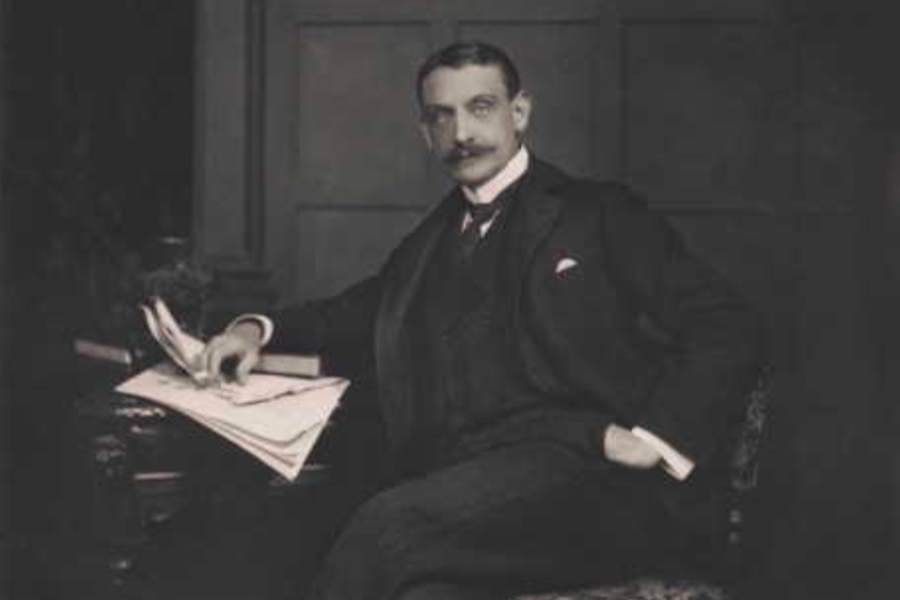
Early Life and Family Roots
When I look at the life of Edward Robbins Wharton, I see a figure who stood quietly within the grand rooms of the American Gilded Age. He was born on April 3, 1850 in Brookline, Massachusetts. The mid nineteenth century was a period when family name and social networks shaped the direction of a life long before adulthood arrived. Edward was born into the Wharton family, a lineage connected to long standing American families whose influence stretched through New England and the Mid Atlantic.
His father, William Craig Wharton, was born on May 7, 1811. William represented the earlier generation of the family, a group that valued property, reputation, and stability. In households like theirs, tradition was not just respected. It was expected. I imagine the household as a structured place where family records, correspondence, and inherited values were treated almost like heirlooms.
Edward’s mother was Nancy Willing Spring. She carried the responsibility of maintaining the domestic order that shaped the early experiences of her children. Mothers in households of this era were the center of family rhythm. Meals, visits, and social etiquette all revolved around the quiet authority of the matriarch.
Edward grew up in a world that valued refinement. Education, manners, and social awareness formed the invisible curriculum of daily life. These foundations would follow him through adulthood.
Parents of Edward Robbins Wharton
Understanding Edward requires looking closely at the people who raised him. Their lives formed the soil from which his own story grew.
| Family Member | Birth | Death | Role |
|---|---|---|---|
| William Craig Wharton | May 7, 1811 | May 22, 1891 | Father |
| Nancy Willing Spring | circa 1820s | 1909 | Mother |
William Craig Wharton belonged to a family network that extended through respected circles in Boston and Philadelphia. The family history carried weight. For Edward, this meant growing up with expectations of dignity and social responsibility.
Nancy Willing Spring balanced that structure with the routines of family life. She oversaw the home, nurtured family connections, and helped guide the early development of her children. In homes like theirs, mothers were often the guardians of memory. Stories, letters, and traditions flowed through them.
Marriage to Edith Wharton
Edward’s 1880s were a defining period. He met Edith Newbold Jones, a young woman from another aristocratic family.
They married in Manhattan on April 29, 1885. Edward was 35. Edith was 23. Social weddings were greater than private. These events strengthened family relationships and elite status.
She became one of the most famous writers of her time. They married while she was still defining herself as a novelist. Edward married into a world of tradition, travel, and property.
Marriage lasted over 30 years. Their connection changed frequently. They traveled and had social adventures. Sometimes their disparities were more apparent.
Homes and the Landscape of Their Lives
The lives of Edward and Edith can be traced through the houses they occupied. Each property reflected a chapter of their marriage.
During the late nineteenth century the couple lived in Newport, Rhode Island, a city that functioned almost like a summer capital for wealthy American families. In 1893 they purchased a property called Land’s End. The house stood near the coastline, surrounded by views of the Atlantic.
Later they established a residence in Lenox, Massachusetts. This property became known as The Mount. The estate covered more than 100 acres and included gardens, terraces, and carefully designed interiors.
To me these houses resemble stage sets where daily life unfolded. Rooms hosted conversations, celebrations, and disagreements. Windows framed landscapes that changed with every season.
Within those walls Edith developed her writing career. Edward lived within that same environment as a companion, homeowner, and figure within the social circle that surrounded them.
Personality and Personal Struggles
Edward Robbins Wharton was outgoing and liked the outdoors. Friends noticed his love of pets, country living, and travel. He seamlessly integrated into late nineteenth-century upper class social circles.
However, life rarely goes straight. He suffered from depression and emotional issues in his senior years. These issues strained his marriage.
Edward had a quieter and more challenging life than Edith, who was achieving literary success. Their paths separated in time.
The 1913 divorce ended the marriage. After 28 years together, they split up, ending a long chapter.
Work and Financial Life
When I examine Edward’s professional record, I find something interesting. He did not build a traditional career in the sense that modern biographies often describe. Instead he lived as a gentleman of independent means.
Family wealth and property provided financial stability. This allowed Edward to focus on estate management, travel, and social engagements rather than a formal occupation.
In the context of the nineteenth century this lifestyle was not unusual among families of similar standing. Economic security came through inheritance, property ownership, and investments.
For Edward the role of household steward carried real responsibilities. Maintaining large estates required staff coordination, financial planning, and property management.
His work was quiet and rarely public. Yet it formed part of the foundation that allowed his household to function smoothly.
A Timeline of Edward Robbins Wharton
Dates help transform scattered events into a coherent story. When I line them up, Edward’s life takes on a clear structure.
| Year | Event |
|---|---|
| 1850 | Born in Brookline, Massachusetts |
| 1885 | Married Edith Newbold Jones |
| 1893 | Purchased Land’s End property in Newport |
| 1901 | Residence established at The Mount in Lenox |
| 1913 | Divorce from Edith Wharton |
| 1928 | Died on February 7 at age 77 |
Each year acts like a milestone along a long road. Some years carry joy. Others carry quiet turning points.
Later Years
Edward lived quietly after his divorce. Public spotlight grew on Edith and her writing. The 1921 Pulitzer Prize for fiction went to her.
Edward rarely made headlines. He lived more privately in his senior years. Records reveal he visited Massachusetts and maintained ties.
He was 77 when he died on February 7, 1928. The 1850–1928 period was notable in American history. During his lifetime, the country went from horse-drawn carriages to early cars and flights.
Edward lived by family tradition, social expectation, and personal circumstance for decades.
Family Network and Extended Connections
The Wharton family tree extended across generations and regions. Edward’s relatives included siblings, cousins, and connections that reached into prominent American families.
Genealogical records often mention additional relatives within the Wharton lineage. These extended networks created a web of social relationships that influenced where families lived, married, and traveled.
Within that network Edward’s role appears steady rather than dramatic. He was one branch among many in a large family tree.
FAQ
Who was Edward Robbins Wharton?
Edward Robbins Wharton was an American man born on April 3, 1850 in Brookline, Massachusetts. He is best known as the husband of novelist Edith Wharton and as a member of the established Wharton family.
Who were the parents of Edward Robbins Wharton?
His father was William Craig Wharton, born in 1811. His mother was Nancy Willing Spring, who managed the domestic life of the family household.
When did Edward Robbins Wharton marry Edith Wharton?
Edward married Edith Newbold Jones on April 29, 1885 in Manhattan. The marriage lasted twenty eight years before ending in divorce in 1913.
Did Edward Robbins Wharton have children?
No children are recorded from the marriage between Edward Robbins Wharton and Edith Wharton.
What homes did Edward and Edith Wharton own?
They owned several notable residences including Land’s End in Newport and The Mount in Lenox, Massachusetts. These homes became important settings in their shared life.
When did Edward Robbins Wharton die?
Edward Robbins Wharton died on February 7, 1928 at the age of seventy seven. His life spanned nearly eight decades during a period of major cultural change in the United States.