Early Life and Identity
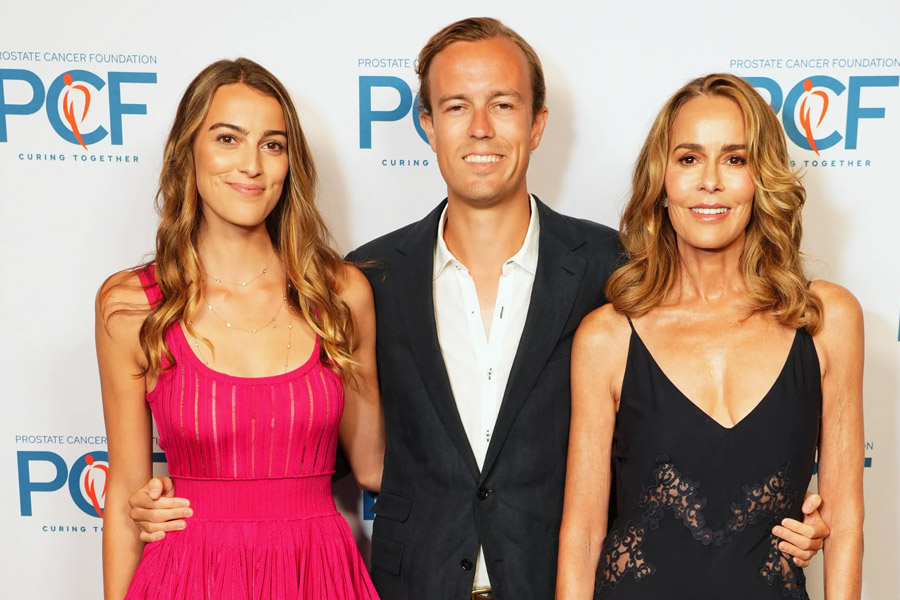
David Koch Jr. combines heritage and emergence. He is the third generation of one of the most powerful industrial families in the US, inheriting riches and expectation. After 2019, his mother, Julia Koch, became one of the world’s most influential philanthropists, while his father, David H. Koch, became a corporate and charity legend.
David Koch Jr. grew up around museums and hospitals bearing his family name. His route to public life is quieter, marked by sports and targeted philanthropy rather than corporate leadership.
He earned a political science degree from Duke in 2021. That date was pivotal. That changed his life from private schooling to public and professional participation.
The Koch Family Structure
Parents: David H. Koch and Julia Koch
David Koch Jr.’s father, David H. Koch, was more than a businessman. He was a builder of systems, both industrial and philanthropic. As an executive at Koch Industries, he helped expand the company into a global force. His influence extended into politics, science, and the arts. He passed away in 2019, leaving behind not just wealth but a blueprint for influence.
Julia Koch, his mother, stepped into that vacuum with precision. She became the steward of vast financial resources and philanthropic networks. I view her as the anchor of the family’s current public presence. Through foundations and strategic giving, she shapes the direction that her children, including David Jr., now follow.
Siblings: Mary Julia Koch and John Mark Koch
David Koch Jr. has two siblings, each carving a distinct path.
Mary Julia Koch is the most publicly visible. She graduated from Harvard in 2023 and entered journalism, working in editorial roles. Her involvement in cultural and charitable institutions suggests a blend of intellect and social engagement. She moves through elite circles with purpose.
John Mark Koch, in contrast, remains largely private. His presence surfaces mainly in connection with family ventures such as investments and philanthropy. I interpret his low profile as intentional, perhaps reflecting a different approach to influence.
Grandparents and Great Grandparents
The family lineage stretches back through Fred C. Koch, the founder of what became Koch Industries. This origin story matters. It is the root of everything.
Fred C. Koch was the son of Harry Koch and Mattie B. Koch. Harry Koch, a Dutch immigrant, worked as a printer and publisher. His life represents the earliest layer of the family narrative, grounded in work and migration.
On another branch, Mary Clementine Robinson, Fred Koch’s wife, connects the family to Ernest Franklin Robinson and Mary Burnet Kip. These names are less widely known, yet they form the deeper roots of the Koch lineage.
I see this family tree as a structure built over generations, each layer adding weight and expectation.
Career and Professional Direction
Entry Into Sports
After graduating in 2021, David Koch Jr. returned to New York City. Rather than stepping immediately into corporate leadership, he moved toward sports.
He reportedly worked with the New York Knicks in a membership or account role. This detail stands out. It suggests a willingness to start at an operational level rather than at the top.
By 2024, his involvement deepened. He became part of the Brooklyn Nets organization, working in basketball operations. This transition from entry level work to team operations reflects a deliberate climb.
I see this as apprenticeship rather than inheritance.
Ownership and Investment
In 2024, the Koch family acquired a minority stake in BSE Global, the parent company of the Brooklyn Nets, New York Liberty, and Barclays Center.
Estimated figures provide context:
| Item | Value |
|---|---|
| Stake size | 10 percent to 15 percent |
| Company valuation | Approx. 4.8 billion dollars |
| Estimated investment | Hundreds of millions |
Within this structure, David Koch Jr. appears to be the most actively involved family member in day to day sports operations.
This is where ownership meets hands on experience. It is rare, and it signals intent.
Philanthropic Initiatives
Philanthropy is where David Koch Jr. leaves the clearest imprint.
Key contributions include:
- A 20 million dollar gift to establish a kidney research center at Columbia
- A 15 million dollar donation to Stanford for pediatric kidney innovation
- Support for athletic facilities, including a performance center at Duke
- Contributions to youth sports and education programs
These projects reveal a pattern. Health and athletics dominate his giving. The focus is not scattered. It is targeted.
I think of his philanthropy as a series of precise strikes rather than broad coverage.
Financial Position and Influence
David Koch Jr. is part of a family whose wealth originates from Koch Industries, one of the largest privately held companies in the world.
After 2019, ownership shares passed to Julia Koch and her children. This positioned David Jr. within a financial structure worth tens of billions.
However, his influence is not expressed through corporate leadership roles. Instead, it flows through:
- Foundation directed giving
- Strategic investments
- Sports ownership participation
This creates a hybrid identity. He is neither a traditional executive nor a passive heir.
Public Presence and Media Mentions
David Koch Jr. is very unknown, although various incidents elevated him.
In 2024, his Brooklyn Nets engagement garnered attention. He went from investor to employee, according to reports.
His political contributions to Kamala Harris groups totaled $10,600 that year. This is important since it contradicts Koch family political views.
In 2025 and 2026, his philanthropy became known. Major colleges and medical organizations named research and athletic facilities after him.
His social media presence are scarce yet consistent with these themes:
Attending basketball games courtside
Promotion of charitable efforts
Mentions of institutional announcements
Not consistent, his presence feels curated.
Timeline of Key Events
| Year | Event |
|---|---|
| 1996 | Parents David H. Koch and Julia Koch marry |
| 2021 | Graduates from Duke University |
| 2021 | Returns to New York City |
| 2024 | Koch family acquires stake in Brooklyn Nets ownership group |
| 2024 | Joins Brooklyn Nets basketball operations |
| 2024 | Donates 20 million dollars to Columbia kidney center |
| 2024 | Makes political contributions totaling 10,600 dollars |
| 2025 | Donates 15 million dollars to Stanford kidney program |
| 2026 | Duke announces performance center funded in part by his foundation |
FAQ
Who are David Koch Jr.’s parents?
David Koch Jr. is the son of David H. Koch and Julia Koch. His father was a major industrialist and philanthropist, while his mother currently leads the family’s philanthropic efforts and manages significant inherited wealth.
Does David Koch Jr. work at Koch Industries?
No, he is not publicly known to hold a role at Koch Industries. His activities are centered on sports operations, investments, and philanthropy rather than corporate management.
What does David Koch Jr. do in sports?
He has worked in basketball operations with the Brooklyn Nets and is part of the family ownership group that holds a minority stake in the team’s parent company.
Who are his siblings?
He has two siblings. Mary Julia Koch is involved in journalism and cultural institutions, while John Mark Koch maintains a low public profile and is less frequently mentioned in media.
What are his major philanthropic contributions?
His major contributions include funding kidney research centers, supporting pediatric healthcare innovation, and investing in athletic facilities and youth sports programs.
How wealthy is David Koch Jr.?
He is part of the Koch family fortune, which is worth tens of billions of dollars. His personal share is not publicly detailed, but he benefits from family ownership structures and investment entities.
What makes David Koch Jr. different from previous generations?
I see a shift in focus. Earlier generations emphasized industrial expansion and political influence. David Koch Jr. appears more focused on sports, healthcare philanthropy, and selective public engagement.